LOKELMA is a prescription medication for the treatment of high levels of potassium in the blood (hyperkalemia) in adults. LOKELMA should not be used as an emergency treatment for life-threatening hyperkalemia because of its delayed onset of action.

About high potassium (K+) levels (aka, “hyperkalemia”)
Learn more about high blood potassium levels–a condition known as hyperkalemia.


Not an actual patient.

†Like high potassium, low potassium can also potentially cause serious health issues.
*In some cases, up to 5.2 mEq/L is considered normal.

Muscle fatigue

Weakness

Tingling or unusual sensations

Fluttering or pounding heartbeat

Shortness of breath

Chest pain

ParalysisParalysisThe loss of muscle movement in a part of your body.

Nausea or vomiting

Don’t delay.
Experiencing serious warning signs? Call 911 or go to the emergency room and seek immediate medical care.
LOKELMA is indicated for the treatment of hyperkalemia in adults. LOKELMA should not be used as an emergency treatment for life-threatening hyperkalemia because of its delayed onset of action.
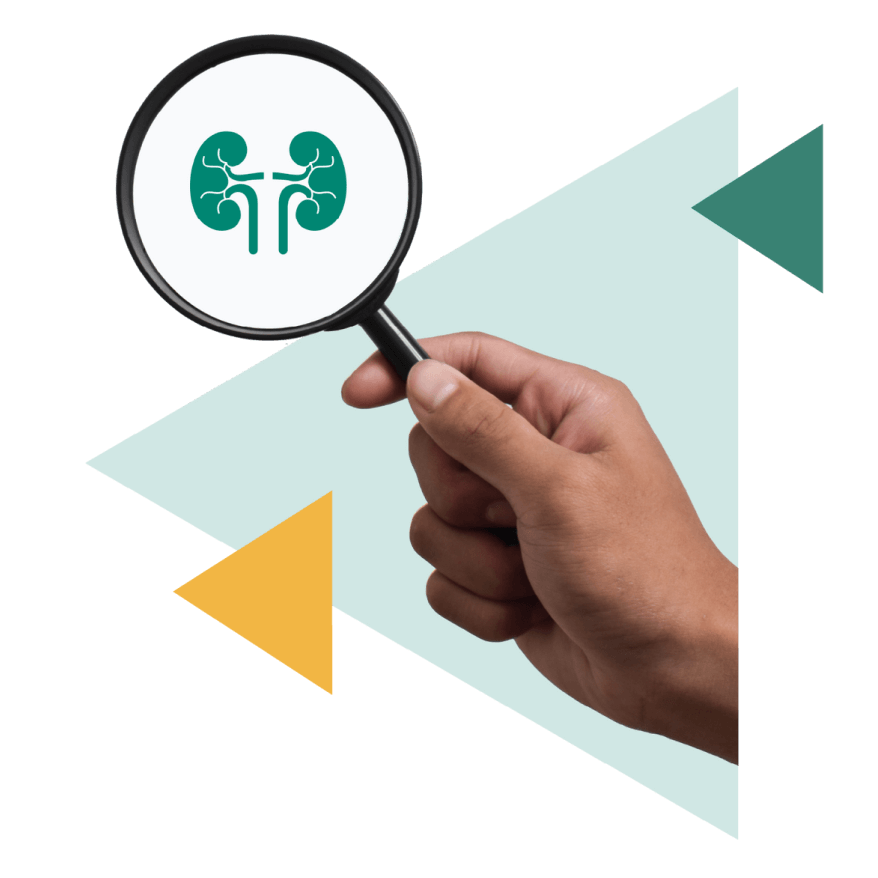
The role of the kidneys
- The kidneys are two bean-shaped organs in your body responsible for filtering blood and removing certain electrolytes, including extra potassium, waste, and fluid from the body
- After being filtered, the extra potassium is then removed from your body through your urine
- When your kidneys are not working properly, the potassium level in your blood can be higher than what is considered as normal

Certain kidney problems

High blood pressure

Diabetes

Heart failure

Certain medications to treat these conditions
Potassium is found in many foods
Your healthcare provider or a dietitian may help you plan your diet to make sure you are not consuming too much potassium through the foods and drinks you consume. But of course, it’s important that you continue to maintain a healthy diet. As a general guide, here are some foods you may want to limit or avoid:
- FOODS TO ENJOY IN MODERATION
- FOODS TO AVOID

Fruits
Apples, berries (such as strawberries and blueberries), cherries, cranberries and cranberry juice, grapes, peaches, pineapple, and plums

Vegetables
Raw cabbage, cauliflower, celery, corn, cucumbers, eggplant, green beans, lettuce, onion, peppers, and zucchini

Other
White bread, coffee (limit to 8 ounces), noodles, white pasta, rice, and tea (limit to 16 ounces)

Fruits
Apricots, avocados, bananas, cantaloupes, dried fruits, grapefruit juice, honeydew melons, kiwis, mangoes, nectarines, orange juice, pomegranates, prunes, and raisins

Vegetables
Artichokes, beets, broccoli (cooked), brussels sprouts, carrots, potatoes (white and sweet), pumpkin, spinach, tomatoes, squash (acorn and butternut), and vegetable juices

Other
Bran products, beans (baked beans, lentils), milk, nuts, whole wheat pasta and whole wheat bread, chocolate, and salt substitutes
Want to learn more about treating high potassium levels?
Learn more about LOKELMA as a treatment option.
Why LOKELMA?